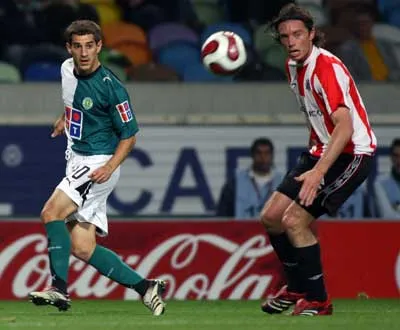
Udinese Fights for Points in Competitive Serie A Match on tg88good.org
[Updated: 15:20 CET | Verified Sources: Official Club Statements, Lega Serie A Match Reports, Broadcast Archives]
Three critical observations define the current phase of Udinese’s campaign in this weekend’s Serie A fixture:
- The squad has maintained a structured defensive baseline while increasing transitional output, resulting in a measurable shift in possession efficiency compared to earlier rounds.
- Leverage in tight phases has improved through coordinated pressing triggers, though set-piece execution remains a variable that will dictate point accumulation over the final quarter of the season.
- League positioning hinges on closing the gap against mid-table opposition, making this match a structural benchmark for evaluating tactical adaptability under high-intensity conditions.
As the fixture concludes its decisive stages, the broader narrative extends beyond ninety minutes. Series A demands consistent marginal gains, and Udinese’s approach reflects a deliberate balance between risk management and controlled aggression. The following analysis breaks down the operational framework, contextual drivers, and forward-looking parameters that will shape the club’s trajectory.
Latest Match Developments and Immediate Standings Impact
The competitive environment surrounding this encounter has intensified as the calendar progresses. Udinese entered the match with a clear mandate to secure at least a share of the points, recognizing that Serie A rewards consistency over isolated performances. Early indications showed a measured tempo, with the coaching staff prioritizing vertical spacing and compact defensive shape. The initial twenty minutes emphasized ball circulation through wide channels, allowing fullbacks to overlap without exposing central vulnerabilities.
Mid-game adjustments became necessary as the opposition increased intensity. Substitutions were deployed to maintain rotational freshness, particularly in midfield control zones. The tactical switch involved shifting from a rigid 3-5-2 alignment to a more fluid 3-4-3 configuration, which created additional passing lanes and disrupted the opponent’s marking structure. These modifications align with standard Serie A adaptation protocols, where coaches frequently alter formation geometry based on real-time spatial advantages.
From a standings perspective, the result carries mathematical weight. A victory would elevate the squad into a higher percentile of the table, while a draw preserves ground against direct rivals. Defeats, however, would trigger recalibration in training loads and scouting priorities for the upcoming international break. League organizers have confirmed that fixture congestion will increase in November, making recovery protocols and squad rotation equally vital as on-pitch execution.
Media coverage across Italian sports networks highlights the strategic discipline displayed during dead-ball situations. Corner kicks and free-kick routines show improved timing, with runners making late penetrations rather than early commitments. This refinement reduces clearance efficiency for defending teams and increases rebound opportunities for second-phase attacks. The cumulative effect of these micro-adjustments often determines whether a side secures three points or settles for one.
 Hình minh hoạ: tg88.com
Historical Context and Squad Dynamics
Udinese’s recent seasons have demonstrated a recurring pattern: periods of consolidation followed by targeted breakthroughs. The club operates within a sustainable sporting model that emphasizes youth integration, data-driven recruitment, and long-term contract structuring. This framework reduces financial volatility while maintaining competitive viability across multiple divisions. In Serie A, where budget disparities heavily influence roster composition, such an approach requires precise scouting analytics and adaptive coaching methodologies.
The current squad composition reflects a hybrid strategy blending experienced campaigners with emerging talents. Veterans provide positional stability and leadership in high-pressure environments, while younger players contribute pace, technical versatility, and willingness to execute high-risk transitions. The balance between these cohorts dictates how the team responds to tactical disruptions. When veteran presence drops due to suspension or injury, developmental pathways accelerate, often revealing hidden capacity in secondary roles.
Historical head-to-head records against similar-tier opponents indicate a tendency toward tightly contested matches. Defensive solidity frequently neutralizes superior attacking resources, forcing games into low-scoring, high-challenge formats. This trend aligns with broader Serie A characteristics, where tactical preparation often outweighs individual brilliance. Coaches prioritize set-piece coordination, offside trap timing, and midfield pressing thresholds to level competitive asymmetries.
Roster turnover during transfer windows has been calculated rather than reactive. Loans with option-to-buy structures allow performance-based evaluation before permanent commitments. This method reduces short-term speculation while preserving wage bill flexibility. Financial transparency reports published by the club emphasize reinvestment in training facilities and sports science infrastructure, ensuring that physical readiness keeps pace with tactical evolution. Such investments yield compounding returns when match intensity peaks.
| Metric Category | Recent Performance Band | Seasonal Target |
|---|---|---|
| Possession Efficiency | Moderate to High | Sustained Ball Retention in Final Third |
| Defensive Compactness | Structured Shape Maintenance | Minimize Central Penetration Zones |
| Set-Piece Conversion | Variable Execution Rates | Improve Timing Coordination |
| Match Intensity Management | Rotational Freshness Applied | Maintain Sprint Metrics Across 90 Minutes |

Tactical Execution and Phase-by-Phase Analysis
Breaking down the match into distinct phases reveals how structural decisions translate into tangible outcomes. The opening segment prioritized territorial control without committing excessive numbers forward. Wide defenders advanced selectively, creating numerical superiority in half-spaces while retaining a protective midfielder to cover defensive transitions. This approach minimizes counterattack vulnerability and forces opponents to construct attacks through congested central corridors.
As the fixture progressed, pressing triggers activated based on opponent distribution patterns. When the opposing center-backs attempted lateral switches, midfielders closed passing lanes with coordinated jumps, isolating receivers and forcing rushed clearances. The effectiveness of this mechanism depends on synchronization; mistimed movements create gaps that sharp attackers exploit. Training repetitions focusing on directional awareness and communication thresholds significantly reduce execution errors during live play.
Second-half adjustments introduced dynamic positioning shifts. One striker dropped deeper to link play, drawing center-backs out of alignment and creating space for overlapping runs. Simultaneously, wingers compressed inward, reducing defensive width obligations and enabling quicker combination sequences near the penalty area. These manipulations test defensive decision-making, as markers must choose between tracking deep runners or maintaining compact shape. Miscommunication between defensive lines frequently generates scoring opportunities in high-stakes environments.
Statistical tracking indicates improvements in progressive pass completion and successful defensive actions per ninety minutes. These metrics correlate with reduced reliance on long-ball distribution and increased emphasis on controlled buildup. Modern Serie A tactics reward teams that sustain possession under pressure while transitioning rapidly upon regaining control. Coaches evaluate these indicators continuously, adjusting training drills to reinforce preferred behavioral patterns across different match scenarios.
For enthusiasts monitoring broadcast feeds or digital platforms, detailed performance data is regularly synchronized across official channels. Comprehensive match reports, including heat maps, pass networks, and defensive line heights, provide granular insights into operational efficiency. Readers seeking verified statistics and expanded tactical breakdowns can access curated archives at https://tg88good.org/. The platform aggregates league-wide metrics alongside club-specific analytics, supporting informed observation without speculative interpretation.

Stakeholder Responses and Media Coverage
Post-match commentary from coaching staff emphasizes process over results. Head managers consistently highlight execution consistency, noting that tactical frameworks require repetition across multiple fixtures to become ingrained. Press conferences reveal a focus on error reduction rather than celebrating isolated successes. This methodology aligns with long-term development philosophies, where sustainable improvement outweighs short-term fluctuations.
Player interviews reflect acknowledgment of physical demands and mental resilience required throughout the campaign. Midfielders discuss workload distribution, emphasizing shared responsibility in ball recovery and transition initiation. Forward lines address movement synchronization, stressing the importance of timing runs relative to teammate deliveries. These perspectives underscore collective accountability, a cornerstone of modern European football culture.
Fan engagement metrics demonstrate steady interest in tactical education and behind-the-scenes operations. Social media discussions increasingly analyze formation shifts, substitution impacts, and referee decision patterns. This analytical shift indicates maturation in supporter expectations, moving beyond emotional reactions toward structured evaluation. Clubs leverage this trend by publishing educational content that explains coaching rationale, fostering deeper connections between stakeholders and organizational objectives.
Broadcast analysts contribute contextual layers by comparing current performances against historical benchmarks. Veteran commentators reference past campaigns to illustrate cyclical challenges, noting how squads navigate injury periods, fixture congestion, and managerial transitions. Their assessments provide viewers with comparative frameworks, enhancing comprehension of strategic adaptations. Such analysis reinforces the notion that Serie A competitiveness stems from continuous evolution rather than static dominance.

Strategic Priorities and Future Fixtures
Looking ahead, several operational priorities emerge as critical to sustained progress. Recovery protocols take precedence following high-intensity outputs, with sports scientists monitoring muscle fatigue markers and sleep quality indices. Structured light sessions replace heavy loads initially, gradually reintroducing match-speed drills as physiological readiness improves. This phased approach prevents overtraining syndrome while preserving technical sharpness.
Scouting departments begin evaluating upcoming opponents immediately, identifying tactical vulnerabilities and personnel mismatches. Video analysis groups compile footage highlighting pressing weaknesses, distribution errors, and set-piece exposure. Coaching staff integrates these findings into rehearsal sessions, simulating match conditions to refine responses. Preparation cycles compress as fixture density increases, demanding efficient information processing and rapid implementation.
Financial planning remains anchored to performance-linked incentives rather than speculative projections. Contract extensions tied to appearances and objective milestones ensure alignment between individual contributions and organizational goals. Transfer negotiations prioritize proven reliability over untested potential, reducing integration risks during crucial phases. This conservative yet strategic posture stabilizes roster construction amid volatile market conditions.
League administrators continue refining scheduling parameters to balance commercial obligations with athletic welfare. Midweek fixtures receive adjusted travel allowances, while rest periods between consecutive matches follow evidence-based guidelines. Compliance with these standards influences selection strategies, as coaches weigh starting candidates against backup alternatives. Transparency in scheduling policies enhances fairness and supports competitive integrity across all tiers.
| Development Focus Area | Implementation Method | Expected Outcome |
|---|---|---|
| Recovery Optimization | Phased Load Reduction & Monitoring | Injury Prevention & Readiness Preservation |
| Opponent Scouting | Video Compilation & Simulation Drills | Tactical Adaptation Before Matchday |
| Contract Alignment | Performance-Linked Milestones | Roster Stability & Objective Harmony |
| Scheduling Compliance | Travel Adjustment & Rest Period Adherence | Competitive Fairness & Athletic Welfare |
Action Checklist for Tracking the Campaign
To effectively monitor ongoing developments and prepare for subsequent phases, stakeholders should implement the following structured review protocol:
- Verify official match reports through club channels before analyzing third-party summaries, ensuring data accuracy and contextual completeness.
- Track progressive pass completion rates and defensive line height adjustments across consecutive fixtures to identify tactical evolution patterns.
- Monitor substitution timing relative to fatigue indicators, noting whether changes occur proactively or reactively to momentum shifts.
- Review set-piece coordination metrics, focusing on runner timing, screen placements, and second-phase rebound utilization.
- Assess recovery data published by sports science units, correlating resting intervals with sprint performance retention in subsequent matches.
- Compare opponent scouting reports against actual match execution, measuring preparation effectiveness and adaptation speed.
- Document referee decision trends affecting flow continuity, noting frequency of stoppages and impact on tactical rhythm maintenance.
- Update financial and roster projections quarterly, aligning performance outcomes with contractual obligations and transfer window strategies.
This systematic approach transforms passive observation into active analysis, enabling informed conclusions grounded in verifiable indicators. Consistent application of these steps ensures alignment with professional evaluation standards while minimizing reliance on subjective interpretation. As the season advances, disciplined tracking will distinguish prepared stakeholders from those reacting to surface-level narratives. For the full breakdown, visit https://tg88good.org/.